Password plus 2FA
Verification and rollout guide
Guide
A password alone is often good enough for compression, but not good enough for a repeatable access process. This guide shows how to think about combining a password with a second factor so the workflow is easier to trust and easier to operate.
What this guide covers
Password plus 2FA
The common weakness is not only the password itself. It is the process around it: chat messages, reused secrets, copied notes, and different instructions for every recipient.
Adding a second factor is most useful when it is part of the same product workflow and not something operators have to bolt on manually.
A stronger workflow keeps archive creation, opening, password handling, and second-factor setup close together. That reduces the number of side channels people need to remember.
When multiple operators touch the same handoff process, the best workflow is the one that stays readable. The more the process depends on side notes or external explanations, the more brittle it becomes.
Password plus 2FA
Use this sequence when you want a file-protection process that is stronger than password-only sharing.
Decide how recipients will receive the file, the password, and the second-factor setup. The access path should be documented before rollout begins.
Use the app itself to define the password path so operators are not inventing a different method every time they package files.
If the workflow supports QR-based TOTP, keep that step inside the same product routine so the second factor becomes normal, not optional.
When the product also uses device-bound licensing, make sure the portal, activation, and support path are clear to the people deploying the workflow.
KeepCipher
These patterns usually defeat the whole point of adding a second factor.
A second factor helps less when the whole operating context is still forwarded as one message thread.
If operators can skip the second factor because it lives outside the normal workflow, the rollout will drift back toward password-only behavior.
If support cannot map the workflow back to a product page, portal, or licensed rollout, the protection story gets harder to maintain over time.
Related pages
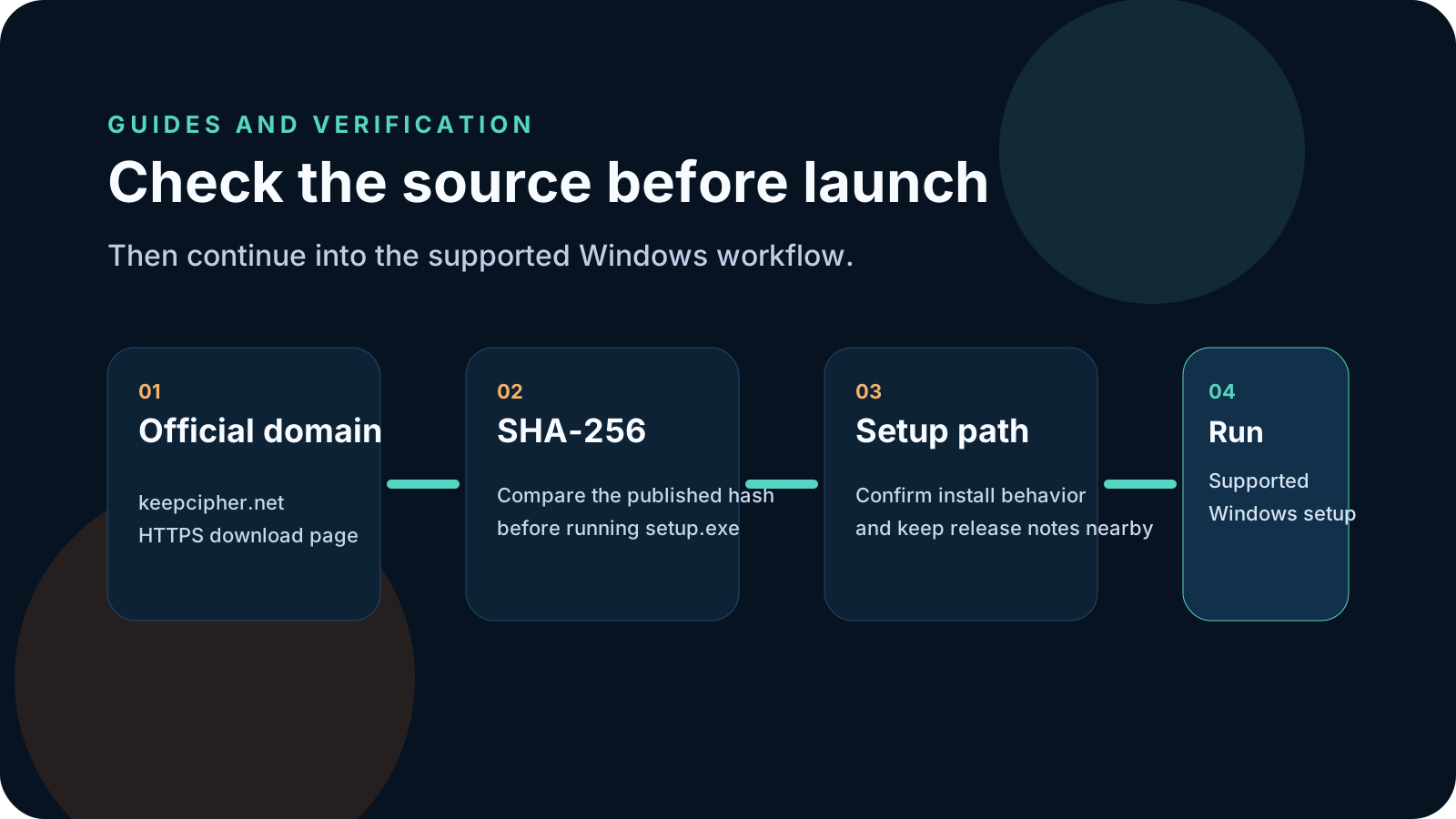
These product pages connect this guide to the actual Windows workflow, licensing path, and supported download process.
KeepCipher
If password plus 2FA is the direction you want, continue into the KeepCipher workflow page, then use the official installer and pricing path.